




-

SERVICES
-

SECTORS
-

policy
-

DATA
-

MODELS
VIEWPOINT
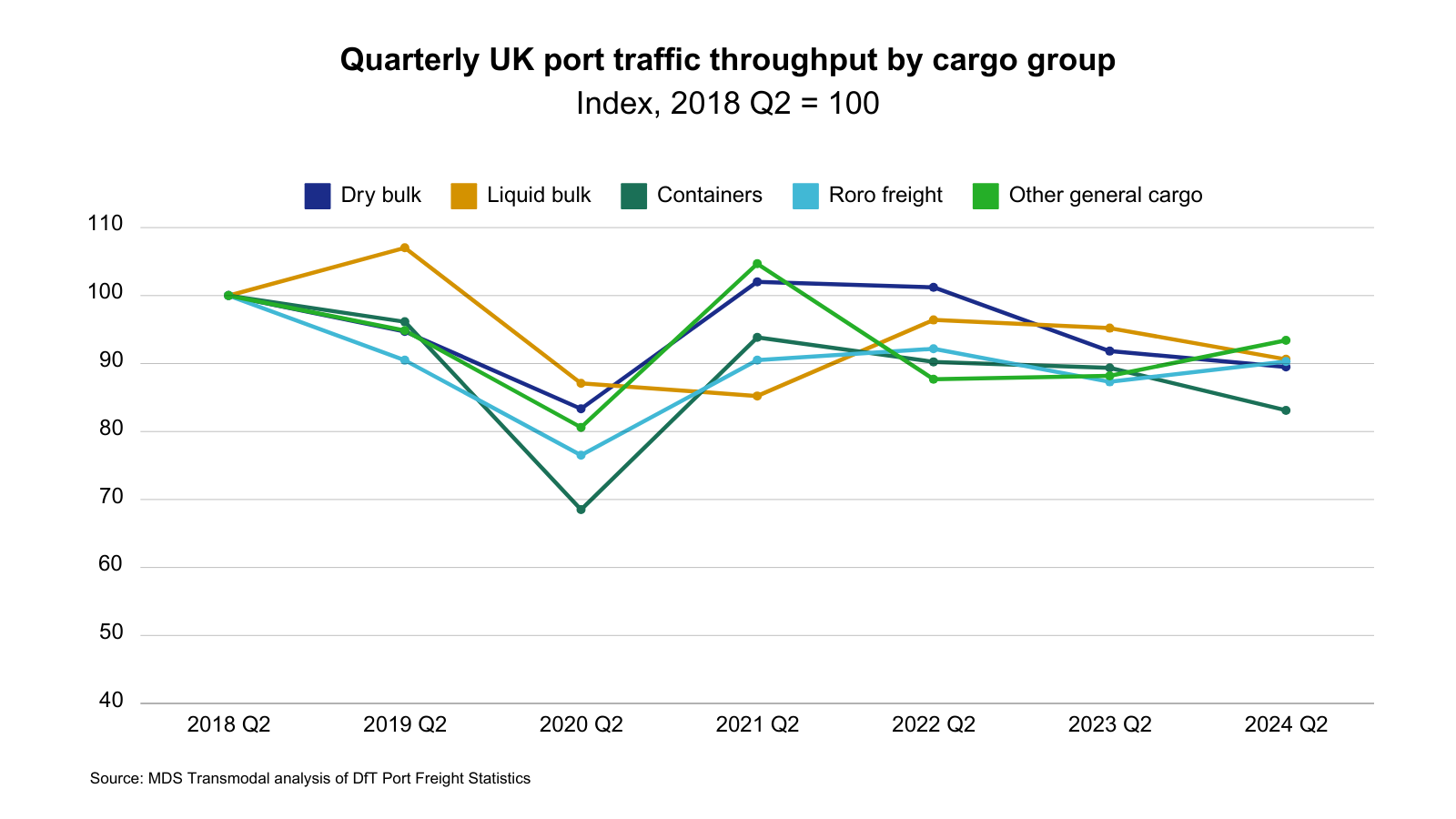
This article offers an overview of UK maritime freight in a global context across various cargo types since 2018. UK port throughput has generally declined driven by factors such as Brexit, the decline in North Sea oil and decarbonisation of the UK’s energy mix, and global economic disruptions. Container traffic experienced the greatest reduction, while other types of cargo such as dry bulk, liquid bulk, and roll-on/roll-off (RORO) freight also experienced notable declines.

The global shipping industry continues to show dynamic trends in demand, supply, and profitability as we approach the end of 2024. This report provides an in-depth analysis of the key indicators shaping the market, including global volumes, fleet capacity, utilisation, and environmental impact.
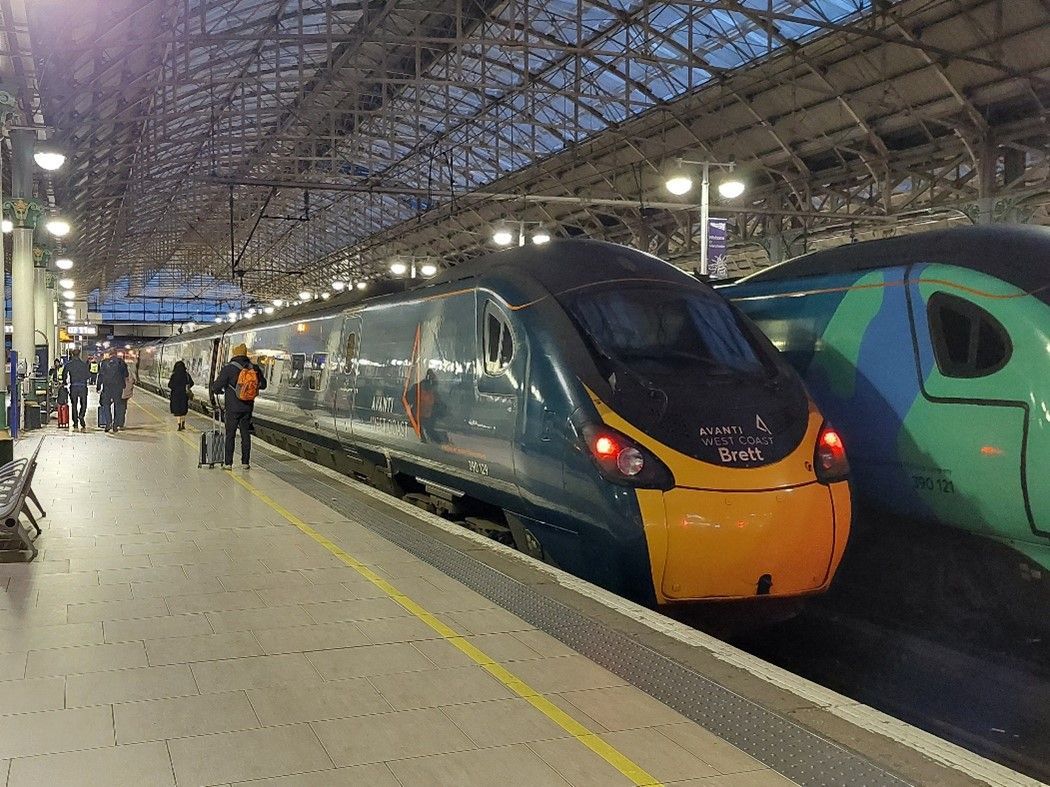
In October 2023, the then Prime Minister Rishi Sunak formally announced that the Government were abandoning plans to progress HS2 north of Birmingham, with funding re-allocated to a series of smaller scale schemes (known as ‘Network North’). The decision was criticised by many, including the Greater Manchester and West Midlands combined authority Mayors who subsequently commissioned an independent review of the decision. The review report and recommendations were published in September 2024 and the conclusions have significant implications for the freight sector.
SERVICES
MDS Transmodal
Strategic advice to reduce risk and maximise benefits
HOW CAN WE HELP YOU?
SUBSCRIBE TO OUR LATEST THINKING
Whether you are a business assessing a potential new opportunity in the road, rail, air or maritime transport sectors or a public body considering the impact of a policy on the freight industry and society, MDS Transmodal provides strategic advice to reduce uncertainty and maximise the benefits.
Best in class quantitative approach allied to unrivalled expertise
MDS Transmodal is a firm of transport economists which specialises particularly in freight modes of transport. We work with senior management in the public and private sectors to provide strategic advice based on quantitative analysis, modelling and our sectoral expertise.
Our approach is based on being:
- Innovative
– Constantly developing new ways to analyse your strategic issues and opportunities;
- Quantitative
– Analysis based on best in class databases and models;
- Independent
– More than 35 year track record of providing objective advice;
- Expert
– Consultants with an average of 20 years’ consultancy experience;
- Specialist
– Focused on road, rail, air and maritime transport economics.
Local and global
Our data, modelling and industry expertise can be applied to analyse your strategic issues and opportunities wherever you are in the world. Clients include UNCTAD, the European Commission, government at all levels, ports and terminals, developers of distribution parks, financial institutions, global shippers and shipping lines and other professional services companies.